soil-compaction

Soil Compaction Methods and Equipment
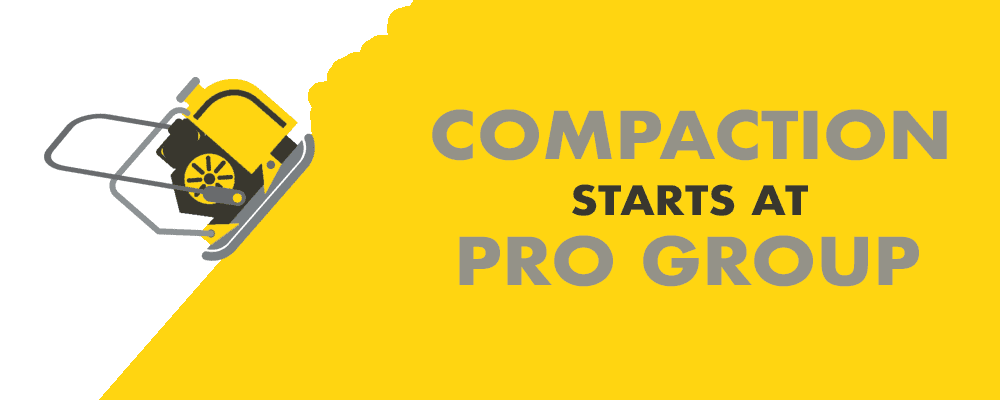
Soil compaction is an essential step for increasing soil density, eliminating air pockets and maximizing ground load-bearing capacity. The compaction process must be tailored to the particular characteristics of each soil type – such as dirt, clay, sand or gravel. This article will cover ideal techniques and machines designed specifically for compacting various soils appropriate to construction projects like paver installations, sidewalks, patios and driveways.

When is Soil Compaction Needed in Construction Projects?

Soil compaction is often needed in construction projects to provide a stable and strong foundation for structures, roads, and other infrastructure elements. Proper soil compaction ensures that the ground can support the weight of the structures built upon it and prevent uneven settling, which can lead to structural damage. There are several situations when soil compaction is required in construction projects:

  1. Building foundations: Before constructing a building, soil compaction is performed to create a solid and level base for the foundation. This prevents uneven settling, which can cause cracks, misalignments, or even structural failure in the long term.
  2. Road construction: In road construction projects, soil compaction is essential to provide a stable and durable base for pavement layers. Proper compaction ensures that the road can support the weight of vehicles and resist damage from traffic loads and environmental factors, such as freeze-thaw cycles.
  3. Embankments and earth fills: Compaction is crucial when constructing embankments, dams, or landfills, as it helps create a stable and well-supported structure. The process strengthens the soil and reduces the risk of slope failure, landslides, or settlement issues.
  4. Utility trenches: When burying utilities such as water, sewer, or gas lines, soil compaction is necessary to provide stable support around the utility lines and prevent damage or pipe failures.
  5. Retaining walls: Soil compaction is necessary to provide lateral support for retaining walls and prevent them from collapsing due to pressure from the retained soil.

Types of Soil Compaction Equipment

Rammer Compactors

Rammer compactors, also known as tamping rammers or jumping jacks, are a popular choice for compacting cohesive and semi-cohesive soils, such as clay and silt. These machines deliver high-impact force by pounding the soil using a piston-driven mechanism. This process effectively reduces air pockets and increases the soil’s density.

Rammers are typically used for compacting soil in narrow or confined spaces, such as trenches, and are useful for backfilling around utility lines or pipes. The Wacker Neuson BS60-2i is a great tool for this purpose. It can reach compaction depths of up to 20 inches, depending on the rammer model and soil type. In addition, the rammer’s compact size and high maneuverability make it an excellent option for residential projects, including the construction of patios, sidewalks, and small driveways.

Plate Vibratory Compactors

Plate vibratory compactors, or vibratory plate compactors, are best suited for granular soils like sand and gravel. These machines compact soil by applying both weight and vibration. The plate at the bottom of the machine vibrates and moves forward, compacting the soil beneath it. Plate vibratory compactors offer high compaction force and improved efficiency compared to rammers, making them a better choice for larger projects.

The depth of compaction achieved by plate compactors depends on factors such as the weight and vibration frequency of the machine, as well as the type of soil. Generally, these compactors can achieve compaction depths of up to 12 inches for sand and gravel, and about 6-8 inches for clay and dirt.

Plate vibratory compactors like the Wacker Neuson WP 1550 A, are widely used in paver installations, particularly for the sub-base and base layers, to ensure a stable foundation. These machines are also commonly used for constructing sidewalks, patios, and driveways, as they efficiently compact granular soils and provide a smooth, even surface.

Compaction Rollers

Compaction rollers, also known as roller compactors or simply rollers, are heavy machines equipped with large drums that roll over the soil surface to compact it. They are particularly effective for compacting large areas and are commonly used in road construction and other civil engineering projects. There are different types and sizes of compaction rollers, including smooth drum rollers, padded drum rollers, and grid rollers, each designed for specific soil types and compaction needs.

Padded drum rollers, like the Wacker Neuson RT82-SC-2, also known as sheepsfoot rollers, are designed for compacting cohesive and semi-cohesive soils like clay and dirt. are best suited for compacting granular soils like sand and gravel. It can typically compact soil layers up to a depth of approximately 2 feet (or about 60 cm).

Compaction Requirements in Paver Installations, Sidewalks, Patios, and Driveways

For paver installations, sidewalks, patios, and driveways, proper soil compaction is critical to ensure a stable foundation and prolong the lifespan of the construction. The following steps outline the general process for compacting soil in these projects:

  1. Excavation: Remove any topsoil, vegetation, or debris to expose the subgrade soil. The depth of excavation depends on the thickness of the paving material and the required sub-base and base layers.
  2. Subgrade compaction: Compact the exposed subgrade soil using the appropriate compaction equipment based on the soil type. Proper subgrade compaction is crucial, as it provides a stable foundation for the subsequent layers.
  3. Sub-base installation: Spread a layer of granular material, typically crushed stone, over the compacted subgrade. The thickness of this layer depends on the project requirements, local building codes, and soil conditions. Compact the sub-base layer using a plate vibratory compactor or a roller compactor, depending on the project scale and soil type.
  4. Base installation: Install the base layer, typically composed of compacted gravel or crushed stone. Compact this layer using a plate vibratory compactor or a roller compactor, as required. Ensure proper compaction and an even surface to provide a stable foundation for the paving material.
  5. Paving material installation: Lay the chosen paving material, such as concrete, asphalt, or pavers, over the compacted base layer. Ensure that the paving material is installed according to the manufacturer’s recommendations and local building codes.
  6. Final compaction: For paver installations, compact the pavers into the underlying base material using a plate vibratory compactor with a protective pad to prevent damage to the pavers. This step ensures proper interlocking of the pavers and improves the surface stability.

Choosing the Right Compaction Equipment

When selecting the best compaction equipment for your project, consider factors such as the type of soil, the size of the area to be compacted, and the desired compaction depth. Each compaction method and type of equipment is suitable for specific soil types and project requirements, and you can count on The Pro Group to provide you with best-in-class customer service as you make your decision. Get more information and prices on any product or service by requesting a quote

cracked-concrete

Unlock the Speed and Efficiency of Early Entry Concrete Saws

Are you looking for ways to speed up your construction projects? Early entry concrete saws can be the answer. These saws are special tools designed for cutting control joints into concrete, before the material has fully cured. This can help save time on projects that need to be completed quickly, as the time saved from not having to wait for full curing can be significant. In this blog post, we’ll explore the advantages of early-entry saws and the benefits of using the Diamond Products Early Entry Saw (CC150XL EE) and their blades.

Introduce Early Entry Concrete Saws

Early entry saws are designed to deliver powerful performance and maximum efficiency when cutting control joints into concrete, before the material has fully cured. These saws make it quick and easy to cut control joints with pristine edges in a fraction of the time – usually only one or two hours after concrete finishing. This is an ideal solution for preventing random cracking, which could be expensive for any contractor working in concrete.

What are Early Entry Control/Relief Joints?

Control joints are strategically placed lines of separation in concrete, which permit movements due to changes in temperature and also from drying shrinkage. In simpler terms, if your concrete does crack, you can influence where it will break apart. These cracks should be straight, instead of erratic or irregularly shaped.

Advantages of Cutting Control Joints

Saw-cutting joints are now commonplace for both residential and commercial floors, and the advantages are simple to see:

  • Making this cut controls where the cracks appear. When made correctly, any cracks will develop beneath the control cut.
  • Saw cuts are subtle on a finished floor, providing a stylish surface; transitions between paneled slabs become smoother without any trip hazards;
  • Forklifts travel more smoothly than with other control joint systems;
  • Plus, they require less frequent maintenance due to thinner lines that don’t need as much filling.

Diamond Products Early Entry Saw (CC150XL EE)

Built to cut quickly and efficiently, Diamond Products Early Entry saws are designed with a lightweight yet powerful spring box technology. This technology features a skid plate, which guards against chipping or spalling, which may otherwise compromise the finished product’s quality.

Additionally, this innovative design reduces dust levels associated with cutting operations. When paired with an appropriate dust collection system, these saws can almost entirely eliminate airborne particles! Used correctly, these remarkable tools will create beautiful end products that stand the test of time.

Outstanding Features and Benefits

This feature-rich saw ensures your cutting job is done quickly and efficiently:

  • Maximum cutting depth of 1-3/16”.
  • Honda GX160 motor.
  • Heavy-duty welded steel frame.
  • Telescopic handle to allow operator comfort.
  • Five wheel stabilizer system allows for smoothest operation possible on smooth or stamped concrete.
  • An added skid plate system makes it ideal for green concrete.
  • Cyclone air filter provides increased air flow.
  • Up cut design keeps debris away out of the joint.
  • A blade raise/lower mechanism featuring spring loaded release and single ribbed drive belt automatically sets the blade depth to 1 3/16″.
  • One-inch arbor will take various Diamond product blades.

Tips for Most Efficient Use of Early Entry Saws

  • When saw cutting control joints, it is essential to be aware of the slab thickness. For slabs that are 9″ or less in depth, you can typically cut up to 1” deep with an early entry saw – this not only saves time, but also reduces the need for joint filler! However, standard saws should always be used when the depth of a slab exceeds nine inches and must reach at least a quarter of its total thickness.
  • Typically, contractors wait 2-3 hours before sawing the concrete slab. For an easier method of assessing when to begin cutting, many opt for the “heel test.” This involves pressing their boot onto the surface, and then beginning sawing once they no longer see an impression left by their heel.
  • Before placing the saw on top of the slab, always verify that blade alignment is intact. A misaligned blade can be disastrous, as it can cut into the skid plate and potentially cause damage to your machine, while affecting a joint perpendicularity with respect to the slab’s surface. Avoid any catastrophes by double-checking your blades before using them!
  • Ensure that used blades are in proper condition: Examine all the diamond segments to ensure none of them have become overheated and glazed.
  • To get the most out of your new saw blades, initially cut at half speed for a length of 100 feet. This break-in period will extend blade life and ultimately provide you with faster cuts in the long run.
  • To keep your saw joints safe, avoid walking over them while cutting, and forbid access to the slab until the final set is complete. Moreover, when cleaning up cuttings, you should always move in line with the joint’s direction; sweeping across it could cause irreparable harm to its collar. Lastly, use joint protectors at both saw joint intersections and saw drive wheel sites for further security.

Using the Right Blade Makes the Project Go Smoothly

This dry-cut saw uses diamond blades to cut and grind through concrete slabs after they are poured or set, leaving smooth edges and a precise finish. The diamonds on the blade allow it to easily slice through reinforced concrete, while significantly reducing noise and dust associated with other conventional cutting methods.

When it comes to concrete cutting equipment, you can count on The Pro Group to provide you with best-in-class customer service as you make your decision. Get more information and prices on any product or service by requesting a quote. One of our experts will get back to you shortly.
skid-steer-loader

Things to Consider When Purchasing a Skid Steer Loader or Dumper

Are you in the market for a loader/dumper but don’t know where to start? With so many options, it can be difficult to decide which one is best for your needs. Whether you need a stand-on mini skid steer or powered mini dumper, there are a few key factors that should guide your decision-making process. In this article, we’ll discuss the most important considerations when purchasing a loader/dumper, and provide insight into why Pro Tool & Supply is the right choice for all your equipment needs.

Do you Need a Skid Steer Loader or a Dumper?

While both machines will dump their contents, their similarities end there.

Skid Steer Load/Dumper

Skid steer loaders/dumpers are incredibly useful pieces of machinery for so many projects. They are compact machines that provide immense power in a tiny package, making them popular among general contractors and DIY-ers alike. Skid steers can be fitted with multiple attachments depending on the job at hand, from scrapers and hoses to combine components and forestry mulchers. With its powerful hydraulics, the skid steer loader/dumper is an essential tool in any contractor’s arsenal to get the job done quickly and efficiently.

Powered Mini Dumper

A powered mini dumper is a strong and versatile machine that can be used for various tasks, from moving large quantities of materials to delivering parts around a job site. This type of dumper is typically small and highly maneuverable, allowing it to access areas that standard dumpers cannot reach. They can be powered by either a battery or gas engine, and feature adjustable speeds, allowing the operator to move at a comfortable pace. Ideal for contractors looking to save time on site with fewer workers, a powered pull behind mini dumper is an invaluable tool in any construction setting.

Key Factors to Consider When Choosing a Loader/Dumper

Advantages of a Skid Steer Loader

Compared to mini dumpers, the skid steer loader offers several advantages. Specifically:

  • It’s compact size makes it ideal for working in tighter spaces without sacrificing performance.
  • Large wheels allow for higher ground clearance than some mini dumpers offer.
  • The skid steer loader can be driven forwards and backwards with equal proficiency, allowing more agile maneuvering on uneven terrain.
  • Finally, many skid steer loaders offer attachments that enable the machine to take on various tasks, from removing dirt/concrete inside a commercial construction site to digging trenches, post holes, and jack hammering stone/concrete.

Advantages of a Mini Dumper

If you don’t need a machine that digs, the mini dumper:

  • Is smaller and more maneuverable, capable of navigating tight areas that a larger skid steer loader would have difficulty accessing.
  • Mini dumpers require less maintenance and fewer repairs, since their hydraulic systems are simpler and less complex.
  • Finally, as mini dumpers tend to be more affordable than skid steer loaders, they can be a great cost-effective solution for general contractors on a budget.

Best Options for Purchasing a Mini Skid Steer or Mini Dumper

SHERPA 100 Eco

Hanenberg Materieel Ltd. made history by being the first ever manufacturer to create an electric mini skid-steer – the SHERPA 100 Eco! This extraordinary machine has matching power and strength as its combustion engine counterpart, making it ideal for interior demolition or working in stables. With a modest 4.2HP electric motor located at its front, this compact loader offers 30″ of width while delivering incredible performance results.

Applying pressure to the accelerator rapidly accumulates power in the system. The area which typically holds a combustion engine now carries a 360-Ampere battery pack, enabling the mini skid-steer to operate for as long as 7 hours.

Twinca Powered Mini Dumpers

Twinca offers an extensive range of mini dumpers to suit all needs, from the small and compact models with lift capabilities and electric or gasoline engines, to larger, more robust versions.

Electric Dumpers:

  • have a carrying load between 1,100 pounds and 1,700 pounds.
  • They are easy to transport to the jobsite and simple to maneuver.
  • With a full charge, you can operate the dumper all day, and it will recharge in 4-5 hours.
  • The steering mechanism can be tailored to the height of its operator, allowing them to work in an ergonomically friendly position while minimizing physical strain.

Gas-Powered Dumpers:

Twinca offers two gasoline-powered models, the G-800 and the GS-800. Both offer:

  • A hefty carrying capacity of 1,700 pounds
  • Auto-steering to make it easier to move even in the most difficult terrain while lugging a heavy load, the G-800 is ideal for those who need something that requires minimal physical effort.
  • Adjustable speed controls allow you to set your own pace, and with lift capabilities ranging from 25″ up to 49″, this machine will have no problem getting the job done.

Regardless of which machine you need, you can count on The Pro Group to provide you with best-in-class customer service as you make your decision. Get more information and prices on any product or service by requesting a quote. One of our experts will get back to you shortly.

A Guide to the Best Construction Site Heaters

Construction sites are notoriously cold places, especially in the winter months. That’s why it’s so important to have a reliable heater on hand to keep your workers comfortable and productive. In this guide, we’ll look at some of the best construction site heaters on the market today. We’ll also provide some tips on how to choose the right heater for your needs and budget.

How to Choose a Construction Site Heater

When choosing a construction heater, there are several factors to consider.

  1. The first is the size of the space you need to heat. Smaller heaters are best for smaller spaces, while larger heaters can heat larger areas more effectively.
  2. The second factor to consider is the type of fuel you want to use. Propane and kerosene are common choices, but natural gas and electricity are also options.
  3. The third factor is the climate in your area. If you live in an area with extreme cold weather, you’ll need a heater that can handle those conditions.
  4. Finally, consider your budget. Heaters can range in price from a few hundred dollars to several thousand, so it’s important to find one that fits your needs and budget. With these factors in mind, you can narrow your selection.

Propane vs Electric Construction Heaters – Pros and Cons

Two of the most popular types of construction heaters are propane heaters and electric heaters. Each have their own advantages and disadvantages, so which one is best for your needs?

One advantage of propane construction heaters is they’re very portable. They run on portable propane tanks, so you can easily move them around the worksite as needed. Propane construction heaters also tend to be less expensive than electric models. However, they’re not as efficient as electric heaters, so they may not be the best choice if you’re looking to save money on your energy bill.

Electric construction heaters provide many benefits for both workers and employers. They are an efficient way to provide supplemental heat in large spaces, and can be used to target smaller, specific areas. Electric heaters are also relatively safe, as there is no risk of fire or fumes. Additionally, electric heaters are easy to set up and require little maintenance. As a result, they are ideal for construction sites where space is limited and safety is a concern.

Types of Electric Construction Heaters

There are a few types of construction heater available on the market, each with its own benefits. For example, an infrared heater is ideal for providing targeted heat to a specific area. This makes them perfect for use in construction sites where workers need to thaw pipes or dry out wet concrete. Infrared heaters also tend to be energy-efficient, making them a cost-effective option for construction sites.

forced-air heater is another type of electric construction heater. These heaters work by moving heated air throughout the space, and can be used to quickly and uniformly warm large areas. Forced-air heaters are frequently used in garages and workshops, since they can provide consistent warmth even in drafty regions.

Finally, radiant heaters are a good choice for construction sites where workers need to keep their hands and feet warm. Radiant heaters emit infrared waves that help raise the temperature of objects in their vicinity, making them perfect for outdoor construction sites.

Fostoria Electric Portable Salamander Construction Heaters

  • When working on a construction site, it’s important to have a reliable heater that can keep you and your crew warm. The best construction heaters are durable, easy to set up, and come with various features that make them perfect for any job site. Fostoria electric construction heaters come in various sizes and power levels, from 34,130 BTU to 102,390 BTU. Portable and easy to set up, these heaters are perfect for warming up a small space or providing supplemental heat for a larger area. With multiple heat settings and a built-in fan, they’re also great for drying out wet gear or thawing frozen pipes. Best of all, Fostoria heaters are made in the USA.

Don’t Let Cold Weather Slow Down Your Progress

Nothing stops progress on a jobsite faster than frozen hands and feet. It’s hard to concentrate on the task at hand when you’re physically uncomfortable. Shop our large inventory of construction heaters for both supply and rent to keep your jobsite moving. Our representatives are ready to help you heat all your winter jobs. Request a quote or call us at 1-844-671-2956 to learn more about our complete selection of construction heaters.

Negative Air Machine vs. Air Scrubber: What’s the Difference?

Managing dust and dangerous particulate matter on the job site is an important part of demolition safety. One of the most important pieces of equipment for demolition safety is the air filter. Air filters come in two main varieties: Negative Air Machines (NAMs) and air scrubbers. While both are effective at removing contaminants from the air, they work in different ways. It’s important to understand the difference between these two types of filters in order to choose the right one for your project.

What is a Negative Air Machine (NAM)?

Negative air machines, also known as construction air filters, are devices that work to improve indoor air quality. These machines are often used during construction or renovation projects, as they can help to remove airborne contaminants such as dust, pollen, and mold spores.

How Does a Negative Air Machine Work?

Negative air machines are an essential tool for any commercial contractor. These machines work by using a powerful fan to draw air out of the work area, and discharging it to the exterior of the building, creating negative pressure. This helps to prevent airborne particles from spreading throughout the space and contaminating the work site.

Negative air machines are often used in conjunction with other air filtration systems, such as HEPA filters, to create a safe and clean working environment. When used properly, negative air machines can effectively remove harmful contaminants from the air, protecting both workers and the general public.

What are the Benefits of Using a Negative Air Machine in Construction Projects?

Negative Air Machines have many advantages for those in the contracting business as well as homeowners.

  • One key advantage is that a NAM creates negative pressure inside the contained area. This lowers the chances of contaminated air escaping and keeps mold and other airborne contaminants sequestered.
  • For contractors, Negative Air Machines can help to improve job site safety and reduce downtime by reducing the amount of dust and other airborne contaminants.
  • Negative Air Machines can also help to improve indoor air quality in homes and offices, making them more comfortable for occupants.
  • For homeowners, NAMs can help to reduce the amount of dust and other allergens in the home, making it easier to breathe for those with allergies or asthma.
  • Negative Air Machines are also effective at reducing odors from cooking, smoking, or pets.

What are the Differences Between Negative Air Machines and Air Scrubbers?

Negative air machines and air scrubbers are both types of construction air filters. Negative air machines work by using a powerful fan to draw in contaminated air, pulling it through a series of filters. The contaminated air is then discharged out of the space to the exterior or to a different room. Air scrubbers, on the other hand, work by recirculating the room’s air through a series of filters. This filtered air is then discharged back into the room.

Both Negative air machines and air scrubbers are effective at reducing airborne contaminants, but Negative air machines are more powerful and can achieve higher levels of filtration since the bad air is removed completely from the space.

When should you use a Negative Air Machine instead of an air scrubber?

Negative air machines are used to cleanse air in a variety of locations and applications, including national disasters, construction sites, mold remediation, painting, grinding and welding shops. They may also be utilized to set negative or positive pressure Isolation rooms, which are useful for enclosing airborne pollutants.

Negative air machines are typically used in commercial applications such as

  • Medical facilities – Negative air pressure machines take advantage of the fact that air always tries to move from areas with higher pressure to those with lower pressure, in order to equalize the two. By directing unfiltered air towards HEPA filtration units instead of letting it mix with filtered air in patient rooms, these units make it easier to control infection and contain dust.
  • Construction sites – During mold cleanup or restoration, a Negative Air Machine is used to filter air and prevent contaminated air from entering other parts of the building. Negative Air Pressure assists in the collection and confinement of airborne contaminants like dust, smoke, gases, fungus, and mold.
  • Large warehouses and food plants where air quality testing is required

How do You Choose the Right Negative Air Machine for Your Project?

First you need to know the total volume of air (cubic feet) to be filtered. To get this information multiply the width of the room times the length of the room times the height. Multiply this number by the recommended number of air changes per hour then divide by 60. This will tell you the size of the machine(s) you need to properly filter the air in that room.

For instance, if you are working in a room that is 12′ x 20′ x 8′ high, you would have 1920 cubic feet of air. If the room required 6 air changes per hour, you would multiply that times 6 giving you 11,520. Divide by 60 to give you the necessary CFM of your NAM. That number is 192. Should your room need 10 air changes per hour, the CFM requirement for your NAM would be 320.

Pro Tool & Supply carries Negative Air Machines as well as other air quality equipment for sale or rental. Shop online or call 1-866-405-2985 to speak with a Pro Tool & Supply representative for more information.

Air Movers Increase Productivity and Reduce Moisture Levels on Job Sites

In the construction industry, where busy job sites are filled with various equipment, it is crucial to provide a safe, efficient, and comfortable work environment for the workforce. The work environment has a significant impact on productivity, and one key element for optimal conditions is ensuring proper ventilation. That’s where air movers like ventilators, portable air conditioners, and construction fans play a crucial role in creating a better working environment.

An Overview of Air Movers and Their Role in Ventilation

Air movers are specialized equipment designed to propel air within a building or an enclosure. They are utilized to maintain good air quality and ventilation, particularly in places like construction sites, warehouses, and factories.

Three common types of air movers seen on construction sites are portable air conditioners, construction fans, and ventilators.

Portable Air Conditioners

Portable air conditioners are highly useful on construction sites for various reasons.

  • Personal Comfort: Portable AC units provide fast cooling relief for workers, especially those in construction trailers, tents, and temporary offices, making their environment more comfortable and less heat-intense, particularly during hot weather.
  • Improved Efficiency: The use of portable air conditioners can aid heat-intensive work processes like welding by creating a cooler work environment, potentially improving the efficiency of these processes.
  • Faster Drying Times for Materials: Portable air conditioners accelerate the drying process more effectively than fans or dehumidifiers. They speed up the setting and curing of construction materials such as drywall compound, grout, caulking, paints, and adhesives.

Construction Fans

Construction fans offer many benefits on a job site.

  • Improving Heat Safety: Construction fans create a continuous air movement that cools down the working environment. This reduces health and safety hazards related to heat, particularly for workers wearing protective clothing. Fans engineered for construction sites can make workers feel up to 10°F cooler, reducing the risk of heat-related illnesses and maintaining a focus for safer operations.
  • Enhanced Mobility for Customized Airflow: The mobility of construction fans allows them to be transported and positioned flexibly according to the needs of the site and its workers. This ensures that air circulation is optimized across different areas of the construction site, following workers as they move, and providing comfort and safety in various environments.
  • Improving Air Quality: Construction fans can significantly improve air quality on construction sites, where dust, dirt, and potentially harsh chemicals are often present. The fans work by turning over the air several times per hour, creating uniform air distribution and helping to dilute any harmful gasses dispersed in the air. This can lead to improved focus and health conditions for the workers.

Ventilators

Ventilators improve air quality on construction job sites, particularly in underground construction scenarios, by supplying fresh air and preventing dangerous or harmful accumulation of dusts, fumes, mists, vapors, or gasses.

  • Reducing Hazardous Exposure: Ventilators effectively reduce workers’ exposure to hazardous substances, particularly in confined spaces. They operate by forcing fresh air into the area while simultaneously extracting harmful air pollutants. This constant air exchange significantly minimizes the risk of inhaling harmful substances, thus boosting safety measures on the construction site.
  • Enhanced Productivity: By ensuring a continuous supply of fresh air, ventilators can improve the overall work environment. Workers are less likely to experience fatigue or discomfort from poor air quality, therefore enhancing productivity levels and the quality of work produced.
  • Versatility and Adaptability: Ventilators come in various types and sizes to cater to different construction needs. For example, axial fans are perfect for general air movement, while centrifugal fans are best for areas with dust or fumes. Such diversity allows for targeted solutions, addressing unique requirements of specific sites or tasks.

Improve Air Quality in Areas That Have Experienced Flooding

In the aftermath of flooding, air moving equipment like blowers and construction fans prove to be invaluable tools for construction workers. These devices aid in quickly and efficiently drying out waterlogged structures, preventing the growth of mold and mildew, which could pose serious health risks. Moreover, they expedite the drying of soaked materials, reducing project delays and allowing work to resume faster. The use of air movers in such scenarios not only ensures the health and safety of the workers but also significantly reduces downtime, contributing to project efficiency.

Air Moving Equipment from The Pro Group

Portable Construction Air Conditioners

The HSC-14P is a portable 1.2 Ton spot cooler by Airrex. It operates in temperatures ranging from 65°F to 113°F, using an eco-friendly refrigerant. With a cooling capacity of 13,600 BTU, it features cold air discharge nozzles, swivel casters, and a HEPA air filter. The unit comes with a 1-year warranty and offers optional accessories like a condensate pump.

Construction Fans (Blower Fans)

The TPI PB 36-D is a 36-inch direct drive portable blower fan. It operates on a 120V, single-phase power supply and draws 5.5A of current. The motor is a 1/3HP permanent split capacitor type and is permanently lubricated. It is a 2-speed model, unlike the larger 42″ model that is 1-speed.

The 36″ and 42″ models have the capability to swivel 360° in 12-1/2° increments and lock in place with a steel locking pin. It meets OSHA standards and comes with a 1-year limited warranty.

Velocity Ventilators

The VAF1500 A/B is your ideal workhorse for small confined spaces. Whether it’s manholes or sewers, these compact blowers ensure maximum airflow, creating a safe, comfortable, and controlled work environment. Rely on the VAF1500 A/B models to provide a continuous flow of fresh air for your construction, utility, or telephone crews. If you need more power, the VAF 3000 offers more than double the CFM rating in a compact size.

Improve Your Construction Site’s Air Quality Today with Pro Tool & Supply!

Pro Tool & Supply offers a wide range air moving equipment for sale or rent. Contact us today to explore our selection of ventilation solutions for your project.

Advantages of Working with the Construction Equipment Parts Department

No matter how well you care for your equipment and tools, they will sometimes break down. At that point, you have two major hurdles: either finding the right replacement construction equipment parts or getting the equipment fixed as soon as possible.

The Pro Group can help you clear those two hurdles with ease. Not only do we stock high-quality, durable tools and equipment, we pride ourselves on our expertise, support, and repairs.

Let’s look at the advantages of working with a construction equipment parts department.

Equipment Parts Inventory Is Constantly Growing

Established manufacturers are always producing, and new manufacturers occasionally enter the market. We stay aware of what’s new as well, and we note what parts will soon be needed for equipment that’s aging.

Our parts department carries only new, OEM (original equipment manufacturer) parts from the manufacturer. It’s one of the many ways we ensure that you receive high-quality, reliable parts.

Tip: Even though we don’t carry used equipment parts, we do sell used construction equipment from our rental fleet. It’s a cost-effective way to purchase well-maintained and refurbished equipment from leading brands.

Access to 700+ Manufacturers

With over forty years in the business, we have access to hundreds of manufacturers from across the world. We have construction equipment parts from the large manufacturers as well as the smaller ones.

Here’s a small sample of the brands whose parts we carry:

  • Black & Decker
  • Bobcat
  • Bosch
  • DeWalt
  • Milwaukee

Besides our variety of manufacturers, we have a wide variety of stock that range from small parts to heavy-duty equipment.

On-Site or In-House Construction Equipment Repair

To get equipment up and running as quickly as possible, Pro Tool and Supply provides 24/7 emergency breakdown service in which our mechanic visits your site to diagnose the problem. If all goes well, we can perform the repair right there.

If on-site repair isn’t possible, we’ll bring the equipment to one of our four locations for repair where we have several factory-trained and certified mechanics.

While your equipment is in the shop, it’s highly likely we’ll have what you need to rent from our rental fleet. We carry several categories of equipment, from hand-held tools to generators to heavy equipment.

Emphasis on Maximum Uptime and Fast Shipping

To get your equipment back to work quickly, we provide a fast shipping turnaround:

  • If the part you need is in stock, we’ll ship it within 1 business day.
  • If the part you need is not in stock, we can ship it in 3 – 4 business days.

Tips for Long-Lasting Construction Equipment

So much is riding on the reliability of your equipment and tools. Our parts department has several tips to help them last a long time:

  • Buy the best equipment your budget allows.
  • Replace only with OEM parts, not used equipment parts.
  • Inspect equipment daily.
  • Address strange noises or performance problems immediately.
  • Perform regular maintenance on equipment.
  • Store equipment away from dust and moisture when not in use.

Stay On Schedule with a Knowledgeable Parts Staff

Dealing with construction equipment repair can be frustrating. But if you have a knowledgeable parts supplier and repair shop a phone call away, you don’t have to dread breakdowns.

When equipment breaks, we can help you track down construction equipment parts, provide quotes, and make the necessary repairs. We can also help you purchase or rent new and used construction equipment and perform routine maintenance.

Contact us, then put us on your speed dial – just in case!

Cendrex Access Panels

Access panels allow you to discretely hide unattractive pipes, valves, switches, and other components in the walls and ceilings. You can also use access doors on roofs and floors.

Unfortunately, poorly designed, and unattractive access panels are all too common in the construction and renovation sectors. It seems like they’re just an afterthought.

Instead of throwing together your own DIY version of an access panel, how about trying the panels from well-known access panel specialist Cendrex. Access doors and mailboxes are all that they do, and they have a dizzying array of sizes and options.

Working with a manufacturing specialist has many benefits:

  • Better quality
  • More attractive
  • Lower cost
  • Shorter installation time

This article discusses the access panels and hatches that make up the Cendrex equipment line.

Access Doors of Many Sizes and Types

Access doors can be used on ceilings and walls. Many of the different types shown are available in multiple sizes.

  • Fire-rated—Depending on what the access panel is protecting, a fire resistance can be a strict requirement. Cendrex makes both insulated and non-insulated panels.
  • Multipurpose—The term “multipurpose” covers a variety of installation options, such as installing the panel into plaster, drywall, masonry, paneling, and so forth. Other features include different latches, hinges, and flanges.
  • Recessed—The recessed door allows you to cover it with the same material in which its inset to help disguise it.
  • Security—Locks deter anyone other than maintenance workers from opening the door.
  • Specialty—Includes panels with unusual features, such as a Plexiglass door windows, draft stops, heavy duty doors for larger openings, and valve boxes.

Access Panels That Are Really Mailboxes

After you create an access panel, it’s not that much further to build a mailbox because the features are so similar. Cendrex makes many types of mailboxes.

Some of the mailboxes can endure tough outdoor conditions. Others are compact but functional for indoor lobby use in multi-family buildings.

Cendrex’s mailboxes have either a horizontal or vertical design:

  • Horizontal—The door is mounted on the short side of the rectangular mailbox.
  • Vertical—The door is mounted on the long side of the rectangular mailbox.

Strong, Quality Floor Hatches

The Cendrex floor hatches are made of aluminum and are available with a flush or recessed door. Their sizes are 24” x 24” or 24” by 36”.

To hold the weight of people, equipment, or other items, a floor-mounted access door must support significant weight. Cendrex’s floor hatches can support up to 300 pounds.

Reach for the Sky with Roof Hatches

Cendrex carries roof hatches in either 36” x 30” or 36” x 36”. The frame is 12” deep.

Other features of the roof hatch include:

  • Galvanneal steel material (see note)
  • White primer paint coating
  • Interior and exterior handle

Note: Galvanneal steel includes an additional high-temperature step, which yields better durability than galvanized steel.

 
Did You Know?
Cendrex is a leading access door manufacturer based in Canada. Over the past seven years, they have been the finalist or recipient of several awards for excellence in manufacturing, exporting, and management. 

Custom Access Panels in Days, Not Months

If you don’t see your desired size or features in an access panel—no worries! Cendrex can design and manufacture access panels in odd or custom sizes or with special features. Because they’ve specialized in access panels and hatches for so long, the additional time to make these customized panels is surprisingly reasonable.

We’re proud to provide this product from a leading, award-winning manufacturer. Pro Tool is standing by to answer your questions about the Cendrex equipment line or help you with a quote.

Choosing The Right Heavy Duty Portable Construction Equipment

Portable construction equipment makes heavy lifting and dumping work safer and easier. Instead of using your muscles or scrambling around for workers, let electric equipment like skid-steer loaders, mini-dumpers, and conveyor belts do the work.

Types of Portable Construction Equipment

This month we’re looking at three different types of heavy-duty equipment:

  • Skid-steer loaders—Has a front bucket for both digging into and hauling away dirt and other debris.
  • Mini-dumpers—Like a wheelbarrow, it has a large bucket for holding debris. It mechanically lifts and tilts to dispose of its contents.
  • Conveyor belts—Carries away debris with a moving belt.

Where You Can Use Portable Construction Equipment

One huge benefit of the three pieces of heavy-duty equipment we’re highlighting is that they can be used indoors. Because this is electric equipment, they don’t emit fumes.

Additionally, these are small but mighty portable machines. They are scaled down to fit through doorways, into elevators, and even into basements and crawlspaces.

The type of indoor projects where you can use this equipment include:

  • Hauling demolition debris to a dumpster
  • Moving heavy supplies from the truck to the job site
  • Building rooftop gardens

Outdoor projects are completed faster and with less wear and tear on the body:

  • Landscaping
  • Loading firewood
  • Sand bagging
  • Disaster recovery
  • Dumpster loading
  • Trenching and excavating
For the superior reliability, look for manufacturers whose reputation is based on building high-quality equipment. This month we’re looking at equipment from Cratos and InterQuip.

Sherpa 100ECO Skid-Steer Loader

The Sherpa 100ECO electric skid-steer loader manufactured by Cratos is a powerful yet quiet machine. At just 31” wide, it can fit through all standard-width doors.

Attachments let you take advantage of the Sherpa’s multi-tasking functionality. Besides its regular front bucket, this piece of portable construction equipment accepts:

  • Grapple bucket
  • Vacuum system for suction lifting
  • Floor scraper
  • Pallet forks
  • Hydraulic hammer

Depending on the battery type (lead acid or lithium), the Sherpa’s battery life is 7 – 9 hours. You can recharge it using a standard 110V outlet.

Twinca ES800 Mini Dumper

The Twinca ES800 mini dumper, also known as an electric wheelbarrow, is also made by Cratos. Like the Sherpa, the Twinca is slim enough (35.5” wide) to fit through most doorways.

But the Twinca’s star feature is its 1,764 lbs. carrying capacity. Designed with a scissor lift, its dump height is 59”, so it can dump its debris over the edge of a 20-yard dumpster.

With an operating time of 8 to 10 hours, this piece of electric equipment can lift much more and for longer periods than workers. It takes just 5 – 6 hours to recharge.

LKS300 Series Portable Conveyer Belts

The three types of portable conveyer belts in the LKS300 series line-up are designed for working in tighter spaces. This piece of portable construction equipment is available in three lengths (10-foot, 14-foot, and 18-foot),

Indoors, the LKS300 conveyer belts are ideal for demo and remodeling projects. Use them outdoors in trenches as well as backyard hardscaping and landscaping projects.

Constructed of aluminum, the conveyers have vulcanized rubber belts and can operate at up to a 35-degree angle. Power is supplied via a three-foot power cord, with an additional three-foot cord available as an attachment.

Put Your Trust in Reliable, Reputable Brands

The Pro Group knows how important it is to have dependable heavy-duty equipment. You need to focus on getting the job done – not getting the equipment fixed!

We want you to stay a customer for life. That’s why carry portable construction equipment from reputable, dependable brands like Cratos and InterQuip.

Contact us for questions about the equipment mentioned in this article, or any of our many other top-notch equipment that’s available for rental or purchase.

Construction Water Management Tools: Dewatering Pumps & Water Tarps

With April’s heavy rain season around the corner, almost all construction sites will require a dewatering system.

Whether your site is indoors or outdoors, water is one of the most common causes of damage (and one of the most popular types of construction insurance claims, only coming second to fire)

Excess water left standing on site can lead to erosion, falls, and damage to expensive materials, equipment, and supplies. On top of the equipment replacement, water damage can delay or interrupt projects, indirectly increasing costs.

Keeping your site flood-free is one of the most important safety steps, both for your crew and for your equipment.

It’s not possible to control the groundwater or the rain, but it is possible to efficiently manage excess water on-site with the use of water management tools.

Whether you need to lower the groundwater level, or just keep rainwater from collecting on your site, Pro Tool and Supply offers a number of water management options to fit your needs. we carry an assortment of high-tech dewatering pumps and water diverting tarps to help you keep your site safe, clear, and operating smoothly through whatever situation spring storms bring.

For example:

Tsurami electric dewatering pumps

For both indoor and outdoor use, electric pumps are ideal for dewatering construction sites, mines, or for all-around use in industrial plants and facilities.

Unlike gas pumps, electric pumps can be used indefinitely and plugged into a power source. Tsurami electric dewatering pumps can handle not only the water itself, but the mud, grit, and dirt that comes in with industrial water-removal situations.

The LB series fits into 8-inch pipes and is easier to use and maintain than gas-powered dewatering systems.

To set up, all that is required is a discharge hose. Because of its easy setup, this dewatering pump is able to quickly reach various flooded locations at your construction site for swift and efficient water removal, which means you’ll be back to work faster.

Strongman water tarps for liquid diversion

If your primary water management need is to protect equipment and sites from rainwater, a tarp may be your best option.

Water tarps such as the Strongman drainage tarp prevent leaks from flooding your site during a heavy rain. Unlike standard tarps, a heavier-duty construction tarp can be reused several times and has the durable hardware needed for safe construction use.

The Strongman tarp will attach to any standard garden hose, allowing for easy channeling of the water collected on the tarp. It comes in several sizes in order to fully cover your roof or equipment as needed, including standard 12’ by 12’ and 15’ by 15’.

It is also fire retardant for greater safety and peace of mind.

Construction water removal keeps sites high and dry in spring storms

For help finding the right dewatering system, learn how to choose the right pump for your site here.

As April approaches, water removal is essential for worker safety and to keep your jobsite running smoothly and efficiently.

Whether you need to rent a dewatering system or are looking for a complete tarp set to protect your gear and worksite, Pro Tool has everything needed to effectively remove water from a construction site.

At The Pro Group, we offer a wide selection of construction equipment rentals, including gas/diesel pump and electric submersible pump rentals from leading brands. Request a quote today or call us at 1-888-776-0007 to speak with one of our knowledgeable equipment specialists on our stock of dewatering pumps and our on-site construction equipment rental delivery options. We also offer dewatering pumps for purchase.

Search For Products

Product has been added to your cart