
Heaters Gonna Heat: Choosing A Construction Heater To Beat The Cold

The approaching winter brings additional challenges for the construction industry. Frozen ground and cold air can lead to downtime on a job site. Follow this guide to find which construction heaters are the right ones for your needs, based on your jobsite’s scope, size, location, power availability, and more.

Forced-Air Construction Heaters

The most common variety on most jobsites, forced-air heaters deliver heat either by blowing air across an open flame (direct-fired) or pulling it across a heat exchanger (indirect-fired). Fans blow the hot air into the space to be heated or ducts convey it to specific locations.

  1. Direct-fired models are more efficient, transferring 100 percent of the flame’s energy to the air. Because the flame is exposed, however, these heaters are best suited for uncluttered, well-ventilated spaces and on projects that will not be affected by the moisture they produce.
  2. Indirect-fired heaters, conversely, are best in closed spaces and when clean, dry air is a must – drywall installation, for instance. Pro Tool and Supply carries top-of-the-line HeatStar forced-air heaters running on propane or kerosene.

Infrared Construction Heaters
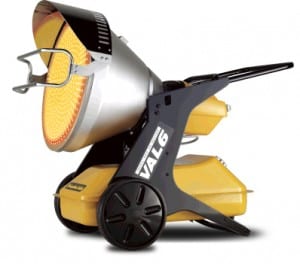
infrared heater

Infrared energy is radiant. It directly heats what it hits – floors, equipment, and people – without wasting any on the surrounding air. That makes them well-suited for use on outdoor jobsites. Cold rain will not diminish the infrared heat, and wind from open doorways will not dissipate it.

Pro Tool and Supply is proud to carry the KBE5L infrared heater from Val6. It produces efficient, odorless, smokeless heat, consistent heat, using a preheater to keep the fuel flowing smoothly in frigid conditions.

Electric Construction Heaters

Fan elements on portable salamander- and milkhouse-style electric heaters continually push indoor air over several hot coils, continually heating it until it reaches the desired temperature. Electric heat is clean, dry and fume-free and can be ducted to specific areas. They are highly portable, making them perfect for use under decking and inside concrete enclosures. One drawback is that that heating with electricity often is more expensive than using propane or kerosene, and the 3-phase high-voltage electrical outlets many models require may not be available.

The Fostoria electric heaters Pro Tool and Supply carry can easily increase temperatures by 30 to 45 degrees Fahrenheit; The Fostoria 3048-3 model puts out more than 100,000 BTUs and can raise air temperature by 90 degrees.

Hydronic Construction Heaters
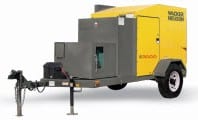
hydronic ground construction heaters

Using portable propane- or oil-fueled boilers to heat fluid and pump it through serpentine tubing that acts as a heat exchanger, hydronic heaters have traditionally been used to thaw frozen ground and maintain concrete at optimal curing temperature.

The Wacker Neuson ground heaters from Pro Tool and Supply deliver dry heat through 1,100 to 5,000 feet of hose, enough to thaw up to 10,000 square feet and heat as much as 1.7 million cubic feet of ambient air. To heat the air, simply point fans across the heated coiled hose and into the work area.

Keep Your Jobsites Moving With Construction Heaters

Keep your construction projects humming along, no matter what the weather throws your way. Shop our large inventory of construction heaters for both supply and rent to keep your jobsite moving. Our representatives are ready to help you heat all your winter jobs. Request a Quote or call us at 1-844-671-2956 learn more about our complete selection of construction heaters.

Ariens Snow Blowers

Anyone who has ever shoveled snow knows that it can be a backbreaking chore, especially if there is a lot of snow. Fortunately, there is a tool that can make the job much easier: an Ariens snow blower from Pro Tool & Supply. Snow blowers come in various sizes and styles, so there is sure to be one perfect for your needs. They are also relatively easy to operate, and they can quickly clear large areas of snow. In addition, snow blowers are versatile and can be used on both sidewalks and driveways. As a result, they are an invaluable tool for anyone who lives in a climate where snow is common. So if you are tired of shoveling snow by hand, consider investing in an Ariens snow blower.

snow-blower

How Do Snow Blowers Operate?

Snow blowers are essential tools for clearing snow from driveways and walkways. But how do they work? Most snow blowers have two augers, or rotating blades, that gather the snow and direct it into a discharge chute. An electric motor powers the augers or a gasoline engine. As the augers rotate, they pull the snow into the machine. The snow then passes through an impeller, or a series of blades, that throw the snow out of the discharge chute. Snow blowers come in different sizes and styles, but they all operate on the same basic principle. With a little practice, anyone can learn to use a snow blower to keep their property clear all winter long.

5 Things to Consider When Purchasing a Snow Blower

When it comes to winter weather, there is no such thing as being too prepared. One of the best ways to ensure that you are ready for whatever Mother Nature has in store is to invest in a snow blower. But with so many models on the market, it can be tough to know which one is right for the space you need to keep clear and safe this winter.

  1. The Ariens 32″ Professional Grade snow blower is perfect for those with large driveways or yards. The AX 420cc engine is easy to operate, and it can move a lot of snow- 91 tons per hour, to be exact! The auger housing is also 32″, making quick work of any accumulation. Some other features include an LED headlight, hand warmers, remote deflector, and commercial-grade skid shoes.
  2. For medium-sized properties, the Ariens Deluxe 28″ and 30″ models offer premium features on a snow blower that tackles the big jobs, but is still easy to maneuver and easy on the budget. Both models feature Auto-Turn and electric starting, as well as an LED headlight. The 30″ moves 71 tons of snow per hour, and will throw the snow up to 50′ away, and has heated hand grips. The 28″ will remove 65 tons of snow per hour.
  3. If you like a smaller machine, but still need the high output, consider Ariens Platinum Series. The dimensions of these models are comparable to the Deluxe line, with Super High Output impellers that can toss up to 83 tons of snow per hour as far as 55 feet. Furthermore, cast-iron gear cases generate a favorable auger ratio compared to other brands in the industry and also require less maintenance–allowing Ariens 5-year warranty, one of the longest periods offered by any company. Heated hand grips reduce freezing and discomfort for users, so they have more control during longer operating sessions.
  4. If you’re only looking to clear a small area like a sidewalk or short driveway, the Path Pro 21 is your best bet. It can throw 57 tons of snow per hour and clean it down to the pavement. Plus, it offers electric and recoil starting options, and has a folding handle for easy storage.
  5. If you live in an area that receives above average snow fall, and you have to deal with high snow piles or hilly terrain, the Ariens track snow blower offers substantial traction under almost any conditions. These models are available in 24″, 28″ and 32″, moving up to 90 tons of snow an hour.

Regardless of your snow removal needs, The Pro Group has you covered. Shop Ariens snow blowers or call 1-866-405-2985 to speak with a Pro Tool & Supply representative for more information.

A Guide to the Best Construction Site Heaters

Construction sites are notoriously cold places, especially in the winter months. That’s why it’s so important to have a reliable heater on hand to keep your workers comfortable and productive. In this guide, we’ll look at some of the best construction site heaters on the market today. We’ll also provide some tips on how to choose the right heater for your needs and budget.

How to Choose a Construction Site Heater

When choosing a construction heater, there are several factors to consider.

  1. The first is the size of the space you need to heat. Smaller heaters are best for smaller spaces, while larger heaters can heat larger areas more effectively.
  2. The second factor to consider is the type of fuel you want to use. Propane and kerosene are common choices, but natural gas and electricity are also options.
  3. The third factor is the climate in your area. If you live in an area with extreme cold weather, you’ll need a heater that can handle those conditions.
  4. Finally, consider your budget. Heaters can range in price from a few hundred dollars to several thousand, so it’s important to find one that fits your needs and budget. With these factors in mind, you can narrow your selection.

Propane vs Electric Construction Heaters – Pros and Cons

Two of the most popular types of construction heaters are propane heaters and electric heaters. Each have their own advantages and disadvantages, so which one is best for your needs?

One advantage of propane construction heaters is they’re very portable. They run on portable propane tanks, so you can easily move them around the worksite as needed. Propane construction heaters also tend to be less expensive than electric models. However, they’re not as efficient as electric heaters, so they may not be the best choice if you’re looking to save money on your energy bill.

Electric construction heaters provide many benefits for both workers and employers. They are an efficient way to provide supplemental heat in large spaces, and can be used to target smaller, specific areas. Electric heaters are also relatively safe, as there is no risk of fire or fumes. Additionally, electric heaters are easy to set up and require little maintenance. As a result, they are ideal for construction sites where space is limited and safety is a concern.

Types of Electric Construction Heaters

There are a few types of construction heater available on the market, each with its own benefits. For example, an infrared heater is ideal for providing targeted heat to a specific area. This makes them perfect for use in construction sites where workers need to thaw pipes or dry out wet concrete. Infrared heaters also tend to be energy-efficient, making them a cost-effective option for construction sites.

forced-air heater is another type of electric construction heater. These heaters work by moving heated air throughout the space, and can be used to quickly and uniformly warm large areas. Forced-air heaters are frequently used in garages and workshops, since they can provide consistent warmth even in drafty regions.

Finally, radiant heaters are a good choice for construction sites where workers need to keep their hands and feet warm. Radiant heaters emit infrared waves that help raise the temperature of objects in their vicinity, making them perfect for outdoor construction sites.

Fostoria Electric Portable Salamander Construction Heaters

  • When working on a construction site, it’s important to have a reliable heater that can keep you and your crew warm. The best construction heaters are durable, easy to set up, and come with various features that make them perfect for any job site. Fostoria electric construction heaters come in various sizes and power levels, from 34,130 BTU to 102,390 BTU. Portable and easy to set up, these heaters are perfect for warming up a small space or providing supplemental heat for a larger area. With multiple heat settings and a built-in fan, they’re also great for drying out wet gear or thawing frozen pipes. Best of all, Fostoria heaters are made in the USA.

Don’t Let Cold Weather Slow Down Your Progress

Nothing stops progress on a jobsite faster than frozen hands and feet. It’s hard to concentrate on the task at hand when you’re physically uncomfortable. Shop our large inventory of construction heaters for both supply and rent to keep your jobsite moving. Our representatives are ready to help you heat all your winter jobs. Request a quote or call us at 1-844-671-2956 to learn more about our complete selection of construction heaters.
Construction Guide to Winter Safety Products

A slip-and-fall incident takes a split second, but its repercussions can be long-lasting. Slip-and-fall accidents increase in number with our Northeastern winter weather, but it doesn’t have to be that way for you as long as winter safety for construction workers and others is top of mind.

The best way to have peace of mind? Stock up on winter safety products and use them wisely and regularly.

This article focuses on how three types of products can help keep workers and visitors safe on winter construction job sites: industrial ice melts, snow tarps, and snow and ice removal equipment.

Industrial Ice Melts for Safer Outdoor Surfaces

Ice melt products are forgiving winter safety products. The reason is, they are effective even if you forget or are unable to lay them down before the precipitation arrives.

The most crucial feature of ice melt is the lowest outdoor temperature at which it is still effective. For example, Urea and Peladow melt snow and ice at 15 degrees and -25 degrees Fahrenheit, respectively.

Besides the temperature, you need to consider the areas that require ice melt. The corrosive elements of some ice melts can damage concrete and metal, and the product can also be harmful to bushes and other plants.

Other considerations when purchasing ice melt include the size of the areas you need to cover. You’ll need to calculate the square footage for places like:

  • Driveways
  • Entryways
  • Parking lots
  • Steps
  • Walkways

Finally, think about how you’ll apply the ice melt product. You can easily cover smaller areas by tossing the ice melt from a grain scoop. For large areas, consider a commercial-grade ice melt spreader.

Snow Tarps to Stay One Step Ahead of Winter

Using snow tarps is another way to outwit Old Man Winter. These tarps catch the snow as it’s falling, making it simple to haul away.

Unlike ice melt products, the heavy-duty, reinforced snow tarps don’t work unless you lay them before it snows. After the snow is over, slip the tarp’s outer loops onto a front-end loader or other heavy equipment. Then, lift the tarp away along with hundreds of pounds of snow.

It is important to choose a high-quality snow tarp that will last many years:

  • Weather-resistant
  • Mildew-resistant
  • Tear-resistant
  • Heat-sealed and reinforced edges
  • Heavy-duty lift straps

When it comes to fighting snow, ice, and cold, snow tarps are just the tip of the iceberg! You can also use other winter protection products like heating pads, reinforced sheeting, and curing blankets to keep concrete, equipment, and workers warm.

Clear Snow and Ice by Hand or by Machine

construction-winter-snow-removal

Despite our best efforts, it’s not always possible to outwit Old Man Winter. Sometimes you’ll need to remove snow by hand or machine with construction snow removal equipment and tools.

Skid-steer and wheel loaders are invaluable for removing the huge mess that storms leave behind if you usually have large construction job sites. Just make sure you have the appropriate snow shovel attachments.

For small parking lots and walkways, professional-grade snow blowers work the best. And for tight areas like entryways, a simple shovel gets the job done quickly and efficiently.

Improve Winter Safety for Construction Workers

With all the dangers that winter weather presents to you, your workers, and job site visitors, it’s essential to stock up on winter safety products. You’ll also appreciate how much faster the job goes when you don’t have to spend time removing snow and ice.

Pro Tool would be glad to help you choose what’s necessary as well as what’s nice to have for harsh winter weather. We have information on all of the items mentioned above, plus a lot more winter products to keep the snow, ice, and cold at bay.

Whether it’s industrial ice melt or construction snow removal equipment, the knowledge and products are at our fingertips! Contact us, and we’ll get back to you as soon as possible with quotes and answers to your questions!

The Importance of Thermalay Heated Blankets & Electric Heaters

The winter season brings us holiday gatherings with family and friends to compensate for the colder weather. But for those who have to work outside, especially in the northern climates, winter weather is hard.

Heated Blankets and Electric Heaters for a Safer Jobsite

When you work in locations where the temperatures are regularly below freezing, it’s rough on equipment and building materials. Here are just a few of the common problems caused by cold winter weather:

  • Workers are at risk of frostbite, trench foot, and hypothermia.
  • The frozen ground can cause wheeled equipment to skid.
  • Liquid material can separate or freeze solid.

Any of these problems can lead to downtime and missed deadlines. But with the right construction equipment, you can be prepared and avoid these issues.

Heated blankets and electric heaters can protect workers, equipment, and materials. With these two items on hand, you can keep the frigid temperatures from slowing down your construction or renovation work.

All About Thermalay Heated Blankets

Heated blankets aren’t just for mattresses! Construction heated blankets, like those made by Thermalay, have multiple uses on the jobsite:

  • Cure concrete:
    • Concrete needs warmer temperatures to cure properly.
    • Without proper curing, concrete can have quality problems, such as cracking.
  • Heat the ground:
    • Makes digging and trenching easier.
    • Prevents slipping, skidding, and falling.
    • Great to use before laying pavers or other stonework.
  • Maintain material above freezing temperature:
    • Prevents liquid material from separating or congealing.
    • Keeps shingles, gravel, and sand from freezing and sticking together.
 Tip: Don’t lose precious daylight time thawing out the ground, material, or equipment. Before leaving the job site at the end of the day, lay the heated blankets down overnight. 

How Thermalay Heated Blankets Are Constructed

Thermalay heated blankets are constructed with all four edges of the blanket sealed. This keeps the warmth in the blanket and repels moisture, snow, and ice.

The blankets have several layers comprised of:

  • Heated coil elements
  • Micro foam insulation
  • Waterproof reinforced PVC

What You Should Know About Construction Electric Heaters

An electric heater works by blowing air over a heated coil. The coil heats the air as it passes through it.

wide variety of construction electric heaters are available (such as forced air, infrared, and propane). However, electric heaters are popular on construction jobsites because they:

  • Are easily moved from one location to the next
  • Raise the temperature from 30 – 90 degrees (depending on the BTU rating)
  • Move warm air to different indoor areas with a building’s duct system

How to Choose an Electric Heater

When choosing a heater, you’ll want to consider:

  • The highest level of temperature you’ll need
  • The size of the areas you need to heat

In general, the higher the heater’s BTU rating, the higher it can raise the temperature. Before purchasing or renting a construction electric heater, make sure the proper electrical outlet is available for the heater.

The two most common style of electric heaters include the milkhouse and salamander.

Milkhouse-style heater:

  • Easy to carry
  • Good for heating small rooms

Salamander-style heater:

  • Better for large rooms
  • Has wheels for easy portability

Keep Workers, Equipment, and Material Toasty Warm

It takes a few extra steps to keep your workers, equipment, and material warm during the winter season, but it’s worth it. Besides being safer, your workers will be more comfortable. They also won’t have to deal with the frustration of ruined work materials or damaged equipment.

A smoothly running jobsite helps you build a good reputation. A business that is known for meeting deadlines on time and under budget will never be short of work!

The Complete Guide to Ariens Snow Blowers

New Englanders have become accustomed to the region’s brutal winters, but familiarity doesn’t make dealing with cold, ice, and heavy snow any more pleasant to deal with. That is especially true if you have places to go, things to do, and customers to serve. You can count on The Pro Group to deliver the equipment you need to deal with harsh weather so your team can get back to work.

Case in point: snow removal equipment. We can supply a veritable arsenal of weapons you can mobilize against these frozen foes of productivity. For instance, we carry a full line of rugged, professional, and heavy-duty Ariens snow blowers. These engineering marvels make quick work of even the heaviest, deepest snow, saving you hours of time, effort, and lost productivity. Once you have seen these models in action, you will never want to pick up a snow shovel again.

An Ariens for Every Condition

With a range of models in each class, The Pro Group can help you select the Ariens snow blower to meet your snow removal needs. Whether you need to quickly remove snow from a residential driveway and walking paths or clear an entire shopping center parking lot or industrial construction site, there’s an Ariens for you. All models feature durable handlebars, dash, housing, chute, and skid shoes made of solid, 100 percent steel that stand up to the worst New England winters can dish out. Choose from the line that meets the challenges you face:

Professional Series

Dispatch 80, 90, even 100 tons of snow an hour with Ariens’ robust Professional snow blower line. Contractors, facilities maintenance providers, commercial center owners, and others who need to clear large expanses can make quick work with these rugged, high-capacity machines. A big, beefy 420-cc engine driving 16-inch auger eats through deep, wet, heavy drifts, Auger housing measuring 23.5-inches high by 36 inches clears wide, even paths with each pass. All Ariens Professional models, whether wheel-driven or track-propelled, include double-belt drive to convert more of the engine’s torque into propulsion and aggressive snow collection and expulsion.

Deluxe Series

Armed with the same efficient dual-belt drive and on-a-dime Auto-Turn Steering Technology as the Professional machines, Ariens’ Deluxe Series snow blowers can handle all but the most rigorous snow-management tasks. Capable of ridding sites of 60 to more than 70 tons per hour, depending on the model, Ariens’ Deluxe line comes standard with 16-inch super-traction tires and 21-inch by 24- to 30-inch housings that chew up the white stuff and spit it out 50 feet away.

Platinum Series

Platinum Series models come in similar dimensions to the Deluxe line and feature Super High Output impellers capable of throwing up to 83 tons of snow per hour as far as 55 feet. Cast-iron gear cases generate the best auger ratio in the industry and reduce the maintenance burden, allowing Ariens to offer an industry-best 5-year warranty. Heated handgrips reduce fatigue and discomfort, giving users better control and longer operating sessions.

EFI Options

The Professional 36-inch, Deluxe 30-inch, and Platinum 24-inch blowers can be equipped with the Ariens AX EZ-Launch electric fuel injection that delivers superior fuel economy and more consistent performance in tough conditions than carbureted engines can manage. These engines start the first time, every time. Simply turn the key, pull the cord, and get to work.

Don’t let winter storms hamstring your construction project or shut down your business. Pro Tool & Supply has everything you need to combat snow, ice, and cold so your team can stay productive through the winter. The Pro Group’s customer service professionals are standing by to help you select the best Ariens snow blower and other winter equipment for your needs. Call us at 1-888-776-0007 to speak with a representative or contact us online for a quote.

Efficient Ways to Use Heated Construction Blankets This Winter

Creeping darkness; dry air; frozen ground. There’s not much to like about winter construction. Winter challenges contractors’ efforts to excavate trenches, dig footings, adhere to schedule, and stay safe. While we can’t do anything about the temperature, Pro Tool and Supply can provide equipment and expertise to make working in the cold a little less miserable. Our full line of heaters, apparel, and other gear helps project managers keep their workers comfortable and productive. With safety assured, contractors can turn their attention to speeding the construction process by warming the site, equipment, and products so they perform optimally.

Get the Most out of Your Heated Construction Blankets

No winter construction project should be caught without an ample stash of heated construction blankets. These tarps keep everything under them toasty and workable with an insulated barrier that traps warmth and moisture. Heated construction blankets are handy for a variety of applications; they are essential for at least three:

  1. Concrete Curing – Any time the temperature may drop below 40 degrees, contractors run the risk of their concrete failing to properly cure. Since that is a given during New England winters, builders must take steps to keep flatwork warm and moist. Equally efficient on tilt-up and precast, concrete curing blankets create the proper atmosphere for pours to harden and achieve sufficient strength. Covering newly poured concrete insulates it and traps the heat it produces during the curing process. The barrier allows the concrete to retain the right amount of moisture, expediting curing. Proper curing, of course, guards against concrete’s cracking and salt efflorescence.
  2. Ground Preparation – In most circumstances, contractors cannot even start pouring concrete if the ground itself is frozen. Frozen earth also poses a problem for digging and trenching. Placing construction heating blankets on the ground to be excavated makes the work easier and faster. Rectangular blankets can be placed side-by-side and end-to-end to thaw large areas. The blankets are simple to install and require minimum oversight, so they can be employed overnight on secured construction sites to deter frost and avoid delays the next morning. Place the blankets in areas where block or brickwork will be performed, or paving stones laid.
  3. Material Readiness – Many of the materials used on construction sites perform at suboptimal levels when they drop below certain temperatures. Spackle gets brittle; paint flows less freely; asphalt binds less freely. Heating construction blankets solve these problems and more. Simply drape the blankets over piles of cold patch, roofing shingles, and other site-staged materials overnight so they are ready to use the next day. Covering piles of damp gravel, aggregate, or sand will prevent temperatures underneath from dropping low enough to freeze the moisture and bind materials together. Heated construction blankets are also perfect for safely warming fuel lines while consuming less energy than heaters. Heated construction blankets also can protect supplies kept in unheated warehouses, on pallets, and in drums. Much more efficient and safer than space heaters, blankets can be fitted to barrels and totes. ThermaTech heated construction blankets, for example, easily fold into whatever modular shape is required. ThermaTech even manufactures a blanket that form fits 55-gallon drums for efficient protection against liquids freezing. The company offers custom-made shapes and sizes to keep specialty equipment running. The company uses advanced technology to distribute heat evenly throughout the blanket, making thermostats unnecessary.

Finding the Right Tools to Help Mitigate Winter Conditions

Construction work in December and January will always present challenges, but with the proper use of heated construction blankets, crews can still stay productive and keep projects on schedule. Contact The Pro Group for all your cold-weather construction needs. We carry a full line of ThermaTech heating blankets and concrete curing pads in sizes from 4½ feet by 15 feet to 9×15. These 110-volt pads feature reinforced waterproofing, microform insulation, and 6-foot power cords. Our sales team is standing by to help you choose the products that best fit your application.

Winter Weather Prep: A Guide to Ice Melt Products

Try to imagine living in a cold climate without ice melt products. One would have to carefully consider every single step taken when outdoors. It would slow everyone down quite a bit. And even then, there’s a strong chance of slipping or falling.

Thankfully, we do live in a world with ice removal products. Without them, life in the winter months would be quite different.

What Is Ice Melt?

Ice melt products help to prevent slipping and falling caused by ice and hard-packed snow that builds up on outdoor surfaces like parking lots and sidewalks as well as outdoor work areas. Using a professional grade of ice melt product both before and after sleet and snow helps keep everyone safe.

Ice melt for snow and ice is effective because when it is sprinkled on walkways it:

  • Prevents ice and snow from hardening
  • Turns existing ice into a liquid slush
  • Breaks the bond between ice and the walkway

The safest step is to put ice melt down immediately before snow or sleet starts falling. However, if you forget or miss an area, ice melt also works when you sprinkle it over ice and hard-packed snow that’s formed.

Many types of ice melt products are available, and we’re here to help you sort it out. These products are appropriate for sidewalks, driveways, steps, entryways, parking lots – even roofs!

What to Consider When Choosing an Ice Melt Product

Several factors influence what ice melt product you choose. There are many types of ice melt, and the most important considerations are:

  • Temperature
  • Area of application
  • Length of time needed

Temperature

It’s important to choose an ice melt for snow and ice that has the appropriate lowest effective temperature. If you work in a climate that experiences extremely cold temperatures, make sure you pick a product that’s rated to be effective in sub-zero temperatures.

Area of Application

Ice melt products have varying levels of corrosiveness that can damage concrete and metal. These products can also damage bushes and grass and end up in nearby waterways.

Length of Time Needed

Check to see how long the ice melt product remains effective after it has been applied. Some products are made of a proprietary blend of compounds that increase the length of time they work.

These products might be more expensive, but they can end up costing less over time because you don’t have to apply ice melt as often.

Ice Removal Products and Their Characteristics

The following products have been proven to work well when used in the recommended climate and environment:

  • Mr. Magic®
  • MAG® Chloride Flakes
  • Urea
  • Peladow™
  • Green Scapes™

Mr. Magic

The unusual orange color of the Mr. Magic pellets serves two purposes:

  • It lets passersby know that ice melt has been applied.
  • It lets you see where it has been applied so you don’t overuse it.

Mr. Magic is considered safe for concrete, brick, and decking. It’s also easier on the environment than many other products.

Mr. Magic works in cold weather as severe as -25 degrees Fahrenheit. It melts snow and ice quickly and works for a longer period of time.

MAG Chloride Flakes

Flaked ice melt products work better in certain situations than pellets. They lay horizontally and don’t roll, so they work well on sloped surfaces. In areas with high winds, flakes are less likely to roll away than pellets.

MAG’s Chloride Flakes and Pellets work in cold weather as severe as -27 degrees Fahrenheit and are less corrosive to metal surfaces and create less concrete spalling than many other ice melt products.

Urea

Known as a moderately effective ice melter, Urea is safe to use around vegetation as long as it’s not over-applied.

Urea doesn’t contain any calcium chloride, which can be corrosive. Because of this, it’s used often on concrete that has rebar and around steel structures.

Urea works best in moderately cold temperatures down to 15 degrees Fahrenheit.

Peladow

Made into pellets that are 90% calcium chloride, Peladow works well in nearly all cold temperatures down to -25 degrees Fahrenheit. One of the reasons it’s popular is that it doesn’t leave behind a residue.

Peladow pellets work well because their perfectly round shape penetrates ice and snow faster than irregularly shaped pellets. You can spread the pellets using a regular pellet spreader.

Green Scapes

Like Mr. Magic, the Green Scapes ice melt product is tinted to prevent over-application. Its green tint emphasizes its reputation as an eco-friendly ice melter. It can melt snow and ice in temperatures down to -10 degrees Fahrenheit.

Green Scapes is a blend of ice-melting compounds, one of which is magnesium chloride. The other chemical is ice ban, which is a natural, corn-based product.

Helpful Ice Melt Accessories

In order to increase the efficiency of spreading your chosen ice melt product, these tools can help get the job done easier:

  • Grain scoops—A scoop helps remove the ice melt from the bag or bucket more quickly and effectively than by hand. For small areas, you can use the grain scoop to scatter the pellets or flakes.
  • Ice melt spreaders—A pellet spreader tool is invaluable for applying ice melt pellets and flakes rapidly and evenly. For smaller areas, a walk-behind spreader works. If you have large areas to cover, consider a commercial-grade spreader.

Prevent On-the-Job Winter Slips and Falls

Working a winter construction job site requires some foresight to keep workers and visitors safe outdoors. Make sure you consider your snow removal needs and stock up on ice melt in advance. Don’t forget to check out our other winter construction equipment and tools.

Check out our selection of resources, tools, and equipment to make sure your workers and jobsite are productive and safe during the winter season.

The Pro Group is happy to work with you, whichever way is easiest:

A Guide to Construction Site Snow Removal and Protection

Cold temperatures can put workers at risk of fall or exposure injuries, and unexpected freezes can damage equipment or materials at your site. Some companies can shut down in the “off-season” until the last blizzard of the spring, but that’s not always possible or preferable.

In New England, removing snow can seem like a nearly full-time occupation come the first winter vortex.

Being able to protect your site, or thaw and remove snow and ice as quickly as possible, is key to protect employees, gear, and your site.

On top of the safety necessity of snow removal and protection, keeping it from piling up in the first place and removing it safely and easily can be a critical factor in preventing avoidable weather delays.

Site-Protection Tactics for the Winter

Protecting equipment, tools, and workers from the elements is an important first step. Taking basic precautions keeps costs down and helps to avoid unnecessary maintenance costs. For example:

  • Keeping equipment and tools inside when possible
  • Covering any outside equipment and tools with sheeting or snow tarps
  • Using antifreeze for any equipment and tools that need it
  • Making sure fluids in your equipment are rated for your area’s temperatures and replace if needed
  • Taking steps to warm up and test equipment and tools before use
  • Keeping sensitive materials, such as adhesives, concrete, shingles, paint, caulk, resins, and epoxies, inside or otherwise protected

Winter Accessories and Apparel

Outfitting your crew with appropriate accessories makes it easier for workers to handle equipment in the cold and prevents injuries and delays.

Before winter gets here, consider providing your crew with accessories such as:

  • Winter Jackets
  • Winter Gloves
  • Hard Hat Liners
  • Face Protection
  • Winter Work Boots

Job-Site Equipment and Supplies for Cold Weather

While often overlooked, ensuring you are prepared with the right supplies each winter keeps you from getting caught unawares by the first major storm. For example:

Snow Removal for Jobsites

Even with the best planning and gear, snow is often unavoidable in a lot of areas of the country. The Pro Group also carries a range of winter snow-removal equipment and supplies to aid with melting and removing snow as quickly as possible.

For example, for snow protection, we carry a range of ice melts.

For snow removal, we offer protective Eagle Industries Snow Removal Tarps, which can avoid hundreds of man-hours from manually removing fresh snow.

Before leaving the site, workers cover all equipment and working surfaces with the snow tarps. In the morning, small poly tarps can be lifted from the site by hand, while large poly tarps can be lifted via crane, quickly removing snow to prevent wasted time and energy.

For larger sites or when you need to move old snowpack, we also offer a range of snow movers and snow plow/pusher attachments.

Keep Your Jobsite Protected This Winter

The Pro Group has your winter jobsite protection needs this season to keep your site operating on-schedule and safely. Whether you’re interested in snow removal tarps or want to look into a variety of equipment, tools, accessories, and educational resources for winter construction, we’re here to answer any questions you have – contact us here.

We can set you up with the construction equipment and materials you need to work through the winter with a minimum of weather-related delays and hardships. Request a quote for rent or supply.

How to Prepare for Cold Weather Construction

Cold weather construction introduces a new set of challenges for construction companies including delays in scheduling and threats to worker safety. Supervisors must consider extreme cold, snow and ice, increased chances of slip and falls, etc. The jobsite must be properly prepared for cold weather construction with the necessary equipment and gear. This process includes prepping both the working environment and workers themselves to combat the cold conditions.

Our inventory includes a host of products that can help keep your jobsite safe and productive during the cold winter months including:

Scaffold Sheeting

Durable and reusable, scaffold sheeting encloses the jobsite providing protection from the wind and elements. This enclosure contains temporary heat to keep workers comfortable. The translucency of both types of sheeting we stock allows daylight to pass through while being both fireproof and water tight. The increased wind protection also better protects the public from jobsite debris.

Fall Protection

With an increase in ice and snow adding more weight to scaffolding and elevated walkways, it is essential that workers wear the proper fall protection gear on potentially unsteady surfaces. Also, for those workers working at greater heights, high winds are an added hazard during winter months. Fall protection gear is necessary to worker safety throughout the entire year, however, with the additional risks the cold weather brings, anchoring your team could never be more vital.

Heaters

It is imperative that employees are provided an area where they can take a break and warm up on the jobsite. Construction heaters can be used for this purpose and throughout the project for ground thawing and space heating. Operating heaters safely is of the utmost importance. Be sure to set heaters in a space with a clear 10- to 12-foot radius surrounding them. Propane heaters should also be placed on fire-resistant surfaces. Our inventory offers both gas and electric heaters from portable to towable sizes, for single rooms to multi-story sites.

Lighting

With less sunlight in the winter months, it is important to keep your jobsite well-lit for both safety and productivity. Light towers will help overcome this challenge to ensure projects stay on schedule. Portable light carts are often used for indoor jobs with their ultra-compact design and easy, one-person setup. For jobs in larger, outdoor areas, trailer-mounted lights provide powerful lighting and maintain stability in high winds.

Snow Removal

Snowfall can severely limit access to a project, affect the usability of equipment, etc. Our snow removal equipment fleet includes snow plows, snow blowers, skidsteers, ice scrapers, and more to clear a multitude of areas. OSHA requires that all drivers are properly licensed and comfortable with operating equipment in snowy, icy weather. It is the agency’s suggestion that operators use empty parking lots to practice winter driving.

Winter Gear

Wearing the proper gear to work in winter weather is of the utmost importance to worker safety, and supervisors should ensure all employees are wearing appropriate clothing. Workers should wear heavy jackets, gloves, hard hat liners, and boots—all necessary protection against hypothermia and frostbite. Boots with nonslip soles, in particular, are necessary to avoid slip and falls. Similarly, insulated gloves will keep hands warm and prevent workers from keeping their hands in their pockets, a deterrent to maintaining balance on icy surfaces.

Properly preparing for the impending New England weather is the first step to ensuring you will beat the winter with minimal issues and delays. Being equipped for cold weather construction means neither your project schedule nor the safety of your workers will be impacted. Contact our Pro Group experts to learn more about our winter equipment supply.

Search For Products

Product has been added to your cart