5 Methods for Maximum Floor Protection During Construction

Floor protection during construction gives everyone peace of mind. Using protective material on the worksite means that the crew can focus on the task at hand rather than worrying about damaging floors, cabinetry, countertops, or other surfaces.

Even if the flooring (or other surface material) is inexpensive, you must also consider labor costs for installation. Paying to replace damaged material plus labor is not an expense you want your business to experience if you can avoid it!

Although surface protection might raise your costs a bit, it helps to think of it as a type of insurance that protects your wallet, your schedule, and your reputation.

Considerations When Choosing Floor Protection
Construction Floor Protection

Before you can choose construction floor protection, you obviously have to know what you’re protecting. Nearly every type of flooring and decorative surface material needs protection:

  • Carpet
  • Granite
  • Laminate
  • Marble
  • Stone
  • Tile
  • Vinyl
  • Wood

Equally important to know is what you’re protecting against:

Dents

Dents can occur when a heavy tool is dropped onto a surface. Pushing a heavy dolly or cart across a surface can also dent materials.

Cracks

Harder materials like ceramic or stone tile are vulnerable to cracking from heavy objects that either fall or are moved across it.

Spills

Chemicals (including paint) that are spilled or splattered at the worksite can damage flooring beyond repair. Even water can cause damage, such as to wood flooring.

Scratches

Scratches can be caused when grit gets trapped under a moving object like a dolly or when tools and equipment are carelessly handled.

Scorches

If your worksite uses welding tools or blow torches, scorches can damage even the hardest materials.

Wrinkling

Carpets can become wrinkled if heavy objects are dragged or rolled across it.

Another important consideration when choosing construction floor protection is the length of time it’s needed. In general, you can tell by the thickness of the protective material whether it will endure a longer project. However, some thinner material can be quite durable, so ask a floor protection specialist if you’re unsure.

5 Methods for Maximum Floor Protection

Follow this checklist for floor protection during construction to guard against the most common forms of damage to floors and other surfaces.

Plan What Needs to Be Protected

Look over the worksite and determine three things:

  • What needs to be covered and protected — Make sure you think this through for every stage of the construction or renovation project.
  • What areas need to be sealed off — You can protect floors completely by blocking access with construction tape or safety netting/mesh.
  • How long it needs protection — The length of time you plan to be on the project for affects the type and durability of flooring protection needed.

Use Tape to Prevent Falls

Tape the edges of protective materials together to keep them from curling up and posing a tripping hazard. You should also ensure that the material doesn’t slide across the floor, which can damage the flooring beneath or cause a fall.

Determine Hauling Methods

Before starting the project, decide which types of dollies or carts you will allow inside the worksite. Having four-wheeled transport is better than two-wheeled, as the weight is distributed better and less likely to damage floors. For the same reason, wider wheels are better than thinner wheels.

Clean Floors and Other Surfaces

Before installing floor or surface protection, carefully sweep or vacuum up debris. If the surface has any sort of spill that’s dried on it, wipe it up so it doesn’t get sealed under the protective material and cause damage.

Buy Protective Material

Based on the flooring you will be installing as well as any other surfaces that need protection, purchase the material that best fits the project requirements. In general, protective material is made of:

  • Corrugated cardboard
  • Corrugated plastic
  • Hardboard
  • Plastic film, sheets, rolls, or mats
  • Rolled paper
  • Rubber sheets

You can also find a wide variety of protective material that uses different materials bonded together, such as rosin paper, fiberglass, and polyethylene.

Plasti-Shield Benefits

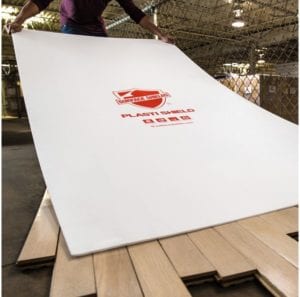
One type of material that can protect a variety of surfaces is Plasti-Shield™ from Surface Shields. Plasti-Shield is a type of corrugated plastic that’s lightweight, but also strong, durable, and impact resistant. Its many benefits include:

  • Available with a fire-retardant additive
  • Cost-effective
  • Cuts easily with a utility knife
  • Reusable to help cut construction costs
  • Water and chemical resistant

Installation is simple, as all that’s needed to seam the edges together is blue tape.

Flooring Protection Help and Quotes

Starting a new construction or renovation project without having floor/surface protection on hand can lead to damaged material and higher labor costs. But with the right planning and the practical steps mentioned in this article, you’ll be covered (pun intended)!

Whether you’re interested in Plasti-Shield™ from Surface Shield or want to look into a variety of surface protection materials, The Pro Group is happy to answer any questions or give you a quote.

Construction Floor Protection – Protecting Against Spills, Dents, and Scratches

This article refers to temporary protection for floors, but protective material is also appropriate for cabinetry, countertops, and stairs. Also, if you’re in the high-rise commercial or condominium construction business, don’t forget about protecting elevator floors!

Benefits Based on Material Type

The types of material that are available and appropriate vary depending on the following factors:

  • Area being protected
  • Budget/cost
  • Length of time needed
  • Material to protect (carpet, concrete, hardwood, linoleum, tile, etc.)
  • Protection needed (impact resistant, waterproof, etc.)
  • Reusability

Blue Shield Flame StopR Kraft Paper

A reinforced, laminated kraft paper from Holland Manufacturing that provides the assurance of fire safety.

  • Fire retardant
  • Oil, grease, and water resistant
  • Puncture- and tear-resistant
  • Non-bleeding, non-staining
  • Easily folded without cracking

Builder Board™

This material is made out of paper, but it’s much thicker. Because it is breathable, it’s suitable to cover any type of floor that needs curing.

  • Breathable
  • Impact resistant
  • Liquid-proof
  • Recyclable
  • Reusable
  • Waterproof

Carpet Shield®

Carpet Shield is a thin, plastic film available in roll form. When its sticky side is applied to carpet, the film flexes underfoot and resists tearing, providing the best floor protection during construction.

  • Non-slip surface
  • Puncture- and tear-resistant
  • Recyclable
  • Self-adhering

Correx®

Correx is made out of plastic, but it’s corrugated and looks similar to cardboard in thickness and appearance. Because it’s resistant to chemicals, it would be appropriate as construction floor protection in a manufacturing or industrial area.

  • Chemical resistant
  • Easy to cut and score
  • Impact resistant
  • Recyclable
  • Reusable
  • Waterproof

Cover Shield™

Cover Shield™ provides a special benefit in that it’s fire-resistant, so it’s recommended for temporary floor protection in areas with flammable materials like natural gas, oil, ammunition, and petrochemicals.

  • Durable
  • Flame retardant
  • Liquid resistant
  • Recyclable
  • Reusable

FloorPro Sheet™

FloorPro Sheets™ are approved by Boston’s fire department for flame retardant surface protection during commercial construction.

  • Flame retardant
  • Breathable
  • Water and liquid-proof
  • Non-slip
  • Reusable
  • 42” x 78”

Proguard™ Duracover

SCOFIELD®’s multi-ply, textured floor protection material laminated with a non-woven polypropylene geotextile.

  • Water and liquid-proof
  • Impact resistant
  • Flexible
  • Easily removed
  • Can be cut with scissors or a utility knife

Ram Board®

Ram Board® is another type of breathable material that would work over a surface that needs to cure.

  • Breathable
  • Foldable
  • Non-staining
  • Recyclable
  • Reusable
  • Waterproof

Step N Peel™ Clean Mat

These plastic mats are sold in various sizes. Each mat comes with either 30 or 60 sticky sheets. Use it in front of entryways and in foyers to help remove dirt and debris from footwear.

  • Breathable
  • Non-skid backing
  • Reusable mat

Water Shield™

Although similar in appearance to Kraft paper, Water Shield is a thicker and more durable option for floor protection during construction.

  • Non-staining
  • Water and liquid-proof
  • Tear-resistant

Find the Best Construction Floor Protection for Your Job

The table below summarizes the best temporary floor protection for each application or flooring type:

Application or Flooring TypeConstruction Floor Protection
Cabinetry and CountertopsFlame StopR Kraft PaperWater Shield™
CarpetCarpet Shield®Water Shield™
Concrete, Granite, Hardwood, Linoleum, Marble, Stone, Tile, TravertineBuilder Board™Correx®Cover Shield™Flame StopR Kraft PaperFloorPro Sheet™Proguard™ DuracoverRam Board®
Entryways and FoyersStep N Peel™ Clean Mat
Flame RetardantCover Shield™Flame StopR Kraft PaperFloorPro Sheet™
Hazardous AreasCorrex®Cover Shield™

Contact Us for Floor Protection

If you’re not sure which construction floor protection is best for your job, call us at 1-888-776-0007 to speak with a representative. You can also request a quote on any of our protective flooring material.

Work Cleanly to Save the Environment & Workers

Expanding our commitment to worker health and environmental stewardship, as well as our commitment to be the Pros in serving customers, The Pro Group is proud to now offer emission-control equipment from Clean Emissions Products Inc.

“All types of gas, diesel, and liquid propane engines would benefit from a catalytic muffler,” Rick Poirier, The Pro Group’s Operations Manager and Clean Emissions liaison explained. “Clean Emissions’ catalytic line up has the capabilities of covering our entire product line from compactors to backhoes and everything in between.”

How They Work

clean emissions

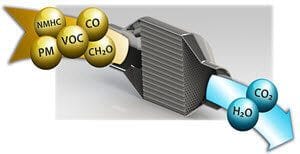
Clean Emissions’ products remove hazardous gasses produced by gasoline, diesel and natural gas engines before they can escape into the atmosphere and the air employees breathe. Their products are applicable to both on-road and off-road equipment engines in a variety of industries including construction, mining, power generation, mass transit, material handling, and more.

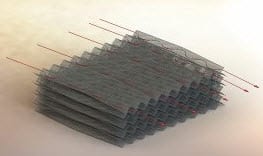
Clean Emissions’ catalysts filter harmful carbon, nitrogen, and other chemical agents through specially treated stainless-steel components configured into a honeycomb structure. The components are treated before being shaped, separating Clean Emissions products from the competition. The filtering produces harmless compounds such as water and carbon dioxide before releasing them through exhausts.

Emission Control Equipment Benefits

The pollution many engines and generators produce has been tied to a long list of health and environmental hazards.

Clean Emissions’ catalytic emission-control products deliver best-in-industry reductions of several harmful emissions to meet stringent environmental and OSHA standards:

  • Up to 99% of carbon monoxide, which when inhaled prevents red blood cells from absorbing oxygen
  • Up to 95% of diesel particulate matter, which has been shown to cause respiratory and lung disease
  • Up to 90% of hydrocarbons, which cause eye and lung irritation and harm the environment by depleting the ozone layer, adding to the greenhouse effect, and reducing plants’ ability to photosynthesize sunlight
  • Up to 99% nitrogen oxide, which cause airway inflammation and contribute to smog and acid rain.

Clean Emissions Products’ Superiority

clean emissions catalysts

Clean Emissions Products manufactures its catalysts using premium-grade stainless steel coated with the catalyst before its shaped, ensuring 100% stainless steel catalyst coverage. Their commitment to quality materials, craftsmanship, and attention to detail ensures consistent quality and long, corrosion-free operation.

Available for installation on all makes and models of construction equipment – either as inline components or muffler replacements – Clean Emissions products contribute little to exhaust backpressure, causing no engine wear and leaving fuel efficiency unaffected. The products are easy to install and care for, requiring little downtime.

Clean Emissions/Pro Group Partnership

As Clean Emissions Products’ exclusive New England catalyst exhaust purifier dealer, The Pro Group can solve all your catalytic exhaust purifier needs:

  • Oxidation Catalysts “…Can be mounted at any location available within a small gasoline, diesel, or LP gas engine’s exhaust system either before or after the existing muffler” for virtually maintenance-free operation and maintenance, Poirier explained.
  • Replacement Mufflers fit any make and model with seamless upgrades of original equipment. Even in the event the original muffler is not equipped with the necessary internal parts, it can be retrofitted and welded shut for use with the Clean Emissions’ replacement.
  • Honda Catalytic Mufflers bring a make’s engine into OSHA/MSHA/EPA compliance, directly replacing original equipment, and producing the same noise attenuation. “The replacement Honda catalytic mufflers are just a bolt off and bolt on set up,” noted Poirier. “The workmanship is also impressive. We have never had a manufacturer premature unit failure.”
clean emissions logo

“After years of building a solid relationship monitoring OSHA & EPA tier 3 and 4 emissions requirements, The Pro Group’s and Clean Emissions Products’ distribution partnership gives us the ability to react to the requests presented to us by our customers who find the need to operate equipment indoors safely… and to meet Tier 3 or Tier 4 emission standards,” Poirier said.

“ Clean Emissions…fully understood and presented to us the solution to a problem heading our way before anyone else.”

Clean Up Your Act Today

For the best emission-control solutions, contact The Pro Group today or call 1-888-776-0007. Rick Porier and his team are available to help you work safer and cleaner.

Search For Products

Product has been added to your cart